Neuralink Reports Speech-Restoration Milestone for ALS: Brain Implant Reaches 75 Words Per Minute

Neuralink has reported an encouraging milestone in its effort to help people with severe speech impairment communicate through a brain implant. In an October 28 announcement, the company said one participant with amyotrophic lateral sclerosis, or ALS, achieved 75 words per minute during their first week, with a 5.8% word error rate using a 125,000-word vocabulary.
Those figures describe an early result for one participant. Even with that qualification, they point toward a meaningful possibility: helping people whose speech has become difficult or impossible participate more readily in conversations with family, friends, and healthcare professionals.
For someone who struggles to make themselves understood, faster communication could mean explaining discomfort before it becomes overwhelming, joining a conversation before the subject changes, or telling a loved one something personal without a prolonged effort to construct every sentence.
The importance of this research extends beyond the implant itself. It concerns a basic part of independence: being able to decide what to say and have others hear it.
Why speech loss can be so devastating in ALS
ALS is a progressive neurological disease that damages motor neurons, the nerve cells involved in controlling voluntary movement. As the disease advances, it can affect the muscles needed for speaking, swallowing, moving, and breathing. Speech may become slurred or difficult to understand, and some people eventually lose the ability to speak.
A speech interface addresses the communication barrier created by the disease. An improvement in decoded speech does not establish that the underlying degeneration has been slowed or reversed.
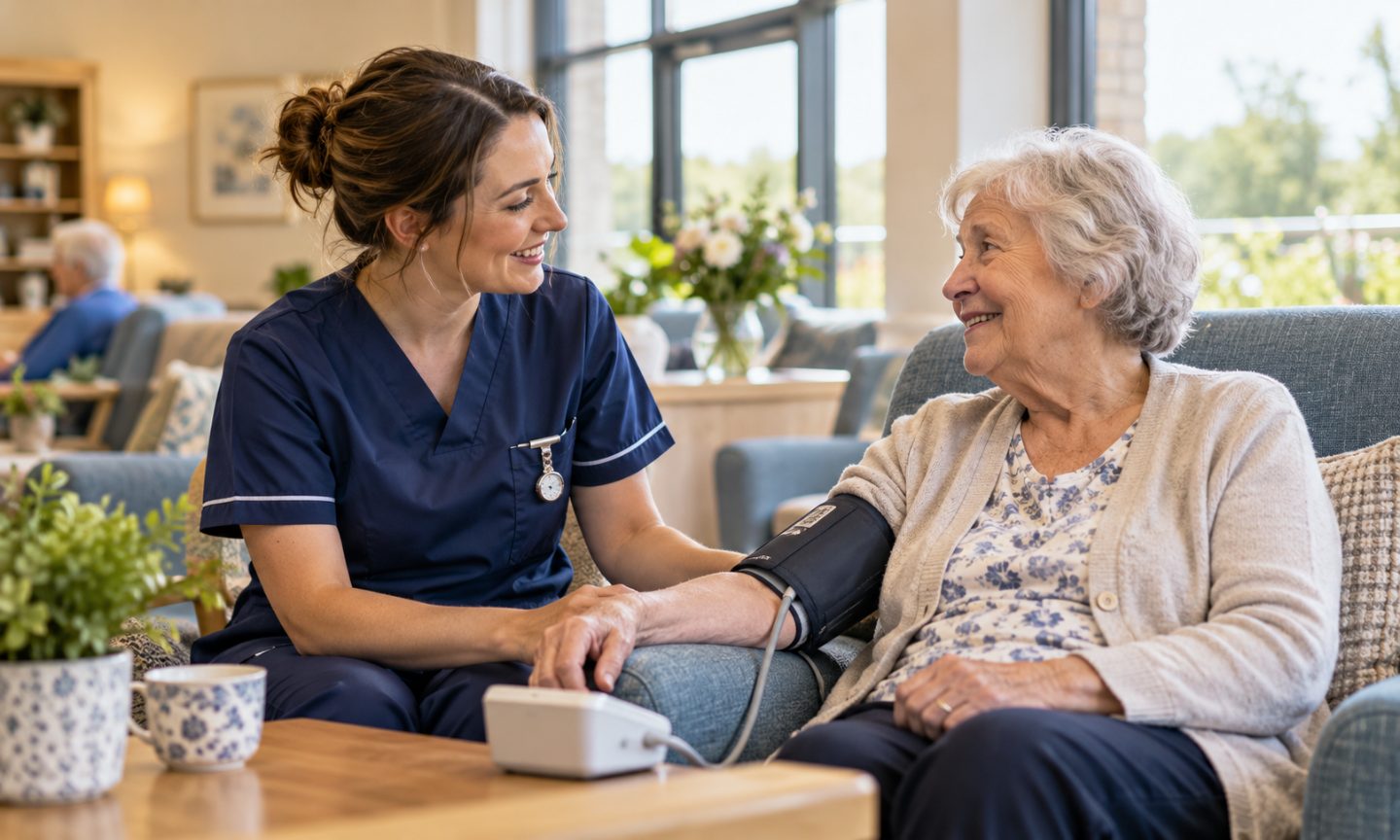
Communication support already plays an important role in ALS care. Speech-language pathologists can help people adapt their communication strategies, while computer-based systems may allow users to select letters or words through eye movements. Some people also bank recordings of their voices for later use in speech-generating technology.
These options can preserve an essential connection to other people. Choosing and adapting a communication system involves the person’s abilities, preferences, surroundings, and changing needs. The American Speech-Language-Hearing Association emphasizes individualized assessment, ongoing training, and the use of multiple communication methods when appropriate.
Brain-computer interfaces are being developed to offer another way to communicate, particularly when severe physical limitations make other methods difficult.
How brain activity becomes text and a spoken voice
Ordinary speech involves a coordinated sequence of brain activity and muscle movement. Brain regions involved in speech production send signals that help control the mouth, tongue, and voice box. Neurological disease or injury can disrupt the ability to turn those signals into understandable speech.
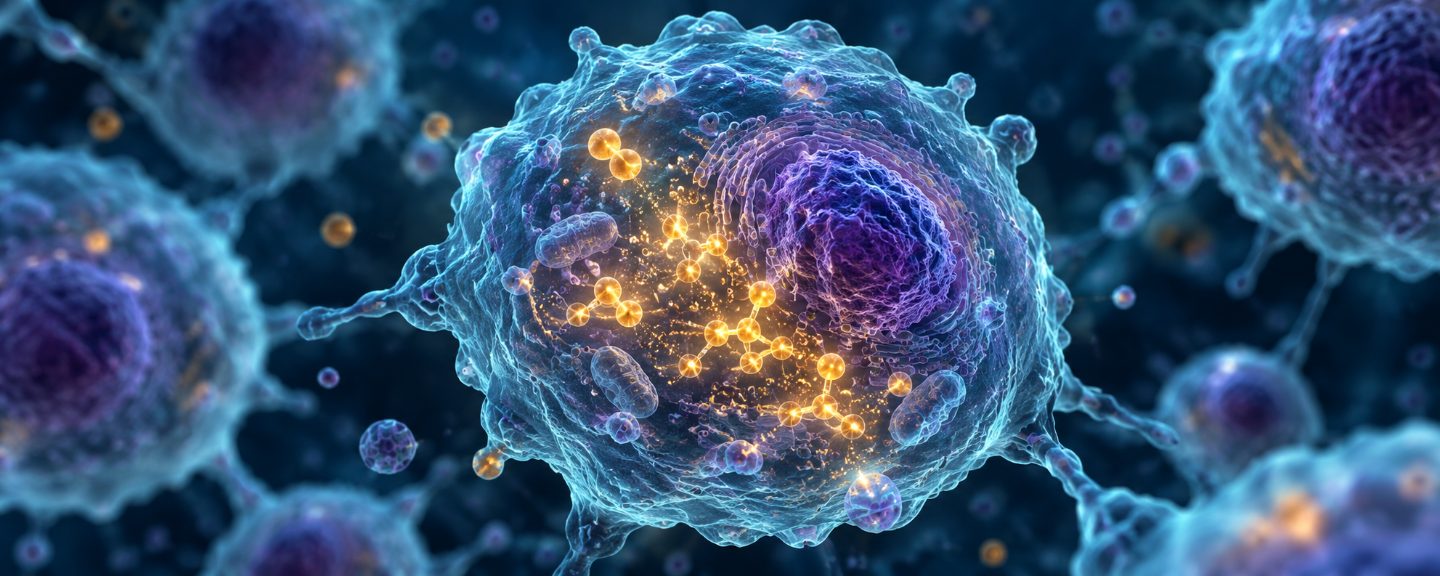
A speech-focused brain-computer interface records relevant neural activity and uses software to interpret it. The resulting output can appear as text or be delivered through a computer-generated voice. Neuralink describes its N1 implant as an investigational device intended to help people with severe speech impairment produce text or speech through this approach.
The broader research field has demonstrated that signals associated with attempted speech can remain useful even when the resulting spoken words are severely impaired. A Stanford-led study published in 2023, for example, decoded an ALS participant’s attempted speech into words on a screen.
The aim is to provide an alternative route from intended speech to communication. This does not establish that a device can freely interpret every thought, memory, or intention a person has. Research into attempted speech and research into internal speech involve related but distinct questions.
What the reported performance figures mean
Neuralink’s announcement includes several measurements that deserve to be understood separately.
Reported measure| What it describes 75 words per minute| The participant’s reported communication speed 5.8% word error rate| Word-level decoding errors relative to the reference words 125,000-word vocabulary| The vocabulary available to the decoding system in the reported task First week| The early period of use described by the company
These are company-reported figures for the participant described in the announcement.
Speed matters, but context matters too. At a steady output rate of 75 words per minute, a 30-word message would take approximately 24 seconds to produce, before additional time needed for corrections or interaction with the system. That calculation illustrates the rate; it is not a measurement of the participant’s complete message-delivery time.
Neuralink characterized its results as reaching conversational rates. For comparison, the Stanford team’s 2023 announcement described natural English conversation as roughly 160 words per minute. Neuralink itself identified 140 words per minute as a future VOICE goal in a January 2026 update.
A useful interpretation is that the reported speed could support meaningful exchanges, while faster, more fluid communication remains a development goal.
Accuracy needs its own explanation. Word error rate counts substitutions, deletions, and insertions relative to the words in a reference. A 5.8% rate corresponds to about 5.8 such errors per 100 reference words. It should not be treated as a guarantee that every message, sentence, or intention is understood with a particular probability.
For practical use, the significance of an error also depends on its effect on meaning. A mistaken name, medication, or expression of consent may need immediate correction. An effective communication system therefore needs to help users identify and repair errors, alongside producing words quickly.
A conversation involves more than words per minute
People communicate through timing, emphasis, questions, and tone as well as vocabulary. A system may generate text quickly yet still require a pause before a voice reads it aloud. Another approach may produce audio continuously as the person attempts to speak.
Separate research illustrates why that difference matters. In a 2025 study, UC Davis researchers demonstrated a system that translated an ALS participant’s brain activity into synthesized voice with very short delay. The participant could change intonation and produce simple melodies. The university reported that listeners understood almost 60% of the synthesized words, showing that expressive voice output and accurate text decoding are different performance challenges.
That finding belongs to a different research system and should be evaluated separately from Neuralink’s results.
For future speech interfaces, the practical questions include how soon audio begins, how easily someone can interrupt or correct a phrase, and whether the person can express the tone they intended. These details may determine whether using a device feels like participating in a conversation or waiting for a message to be delivered.
Neuralink’s update is part of a broader scientific effort
The latest announcement builds on a field that has already produced important peer-reviewed findings.
In 2024, UC Davis researchers reported a speech interface for Casey Harrell, a man living with ALS. The system decoded attempted speech into text and used a synthetic voice modeled on recordings from before his speech became impaired. After additional training, the researchers reported 97.5% word accuracy.
A June 2026 study in Nature Medicine examined longer-term use of that research program’s technology. Over nearly two years, the participant used the interface for more than 3,800 hours at home without researchers present. He communicated nearly two million words at an average of 56 words per minute and used speech and cursor decoding to operate a computer. Care partners still helped with equipment setup.
Those results highlight a different milestone: making a research device useful over extended periods in everyday life.
The studies cannot be ranked by comparing a single headline number. They involve different systems, participants, tasks, training, and evaluation methods. A formal reading task, an open conversation, and independent home use test different capabilities.
Together, however, these efforts show why speech interfaces are receiving serious scientific attention. Researchers are working on speed, accuracy, voice quality, and the ability to communicate when a research team is not in the room.
What remains to be demonstrated
An early performance result offers a reason to continue investigation. Establishing dependable clinical benefit requires a broader picture.
For Neuralink’s reported milestone, readers should look for detailed methods explaining how the task was performed, how speech speed and errors were measured, how much training was required, and whether comparable performance appears in additional participants. It will also matter whether those results hold during spontaneous communication and over time.
These questions help establish what future patients can reasonably expect.
Long-term home use is especially relevant. The 2026 Nature Medicine study identified independent operation and stable performance as major barriers between a successful demonstration and a practical assistive tool. Its findings also show why caregiver assistance and equipment setup should be described clearly when discussing independence.
For people living with a progressive condition, reliability includes more than a good session. A useful system must fit into changing care needs and continue to serve the person’s own communication goals.
Safety and everyday usability are essential
Implanted brain-computer interfaces involve a medical procedure and long-term interaction between a device and the body. Their evaluation must address both the potential benefit and the risks of implantation and continued use.
The FDA’s guidance for implanted brain-computer interfaces covers areas including biocompatibility, sterility, electrical safety, wireless performance, software, and human factors. Its clinical recommendations also address adverse events and device performance.
These considerations connect directly to daily life. A communication tool must be understandable to the person using it and manageable for those helping with care. Researchers need to evaluate how reliably the complete system works, including its external components and software.
The questions extend beyond whether an implant records a useful signal. How much help is needed to begin communicating? What happens when equipment fails? How are problems detected and addressed? The answers will help determine whether the technology can become a dependable part of care.
Privacy and control belong at the center of development
As speech-decoding technology improves, the person using it must remain in control of what is communicated.
NIH-supported researchers have separately investigated decoding internal speech and preventing unintended output. A 2025 NINDS report described research involving four participants with speech impairment and noted the concern that a system might expose words a person did not intend to express aloud.
That research does not establish that Neuralink’s device can read arbitrary private thoughts. It does underline the importance of intentional activation, clear feedback, and appropriate control over output.
There are also practical questions about how neural recordings and decoded communications are stored, who can access them, and what participants agree to share. These are matters for transparent explanation and informed choice as the technology develops.
What patients and families can access today
Neuralink says its devices remain investigational and have not received FDA or other regulatory approval for general use. Its speech-restoration work is being evaluated through clinical research.
The company lists its VOICE study under ClinicalTrials.gov identifier NCT07224256 and identifies UT Southwestern Medical Center as a study site. Its published screening information includes severe speech impairment and impaired upper-limb function associated with ALS, primary lateral sclerosis, stroke, or spinal cord injury, along with age and caregiver criteria. An expression of interest does not establish eligibility.
Neuralink announced an FDA Breakthrough Device designation for speech restoration in May 2025. The FDA explains that this program can expedite development and review while retaining the standards required for marketing authorization. The designation is a development pathway, rather than permission to offer a device for routine clinical use.
Meanwhile, communication support remains an active part of care. Individualized assessment can help identify suitable tools now and adapt them as needs change. Future implants would add to a range of communication options whose usefulness depends on the person and the circumstances.
The goal is greater participation in everyday life
The strongest reason to follow this field is the possibility of restoring a person’s ability to participate more fully in their own life.
Input gathered for the NINDS ALS strategic plan identified communication as a critical concern. Respondents called for better assistive technologies, including brain-computer interfaces, and support that helps people preserve independence and dignity.
That perspective should guide how progress is judged. A communication system may be valuable because it helps someone describe pain, ask a question at an appointment, keep working, share a joke, or take part in a family discussion. Those outcomes deserve attention alongside technical measurements.
For healthcare organizations, the longer-term challenge will be connecting useful technology with the support that makes it usable: clinical expertise, communication assessment, training, and follow-up. A device’s value ultimately depends on what it enables a person to do.
Neuralink’s early report offers an encouraging development to watch. Further studies will determine its safety, durability, and usefulness across more people. The ambition behind that work is already clear: giving people who struggle to speak a more effective way to be heard.