2026 Medicare and Medicaid Eligibility in New York: Income Limits and Application Guide
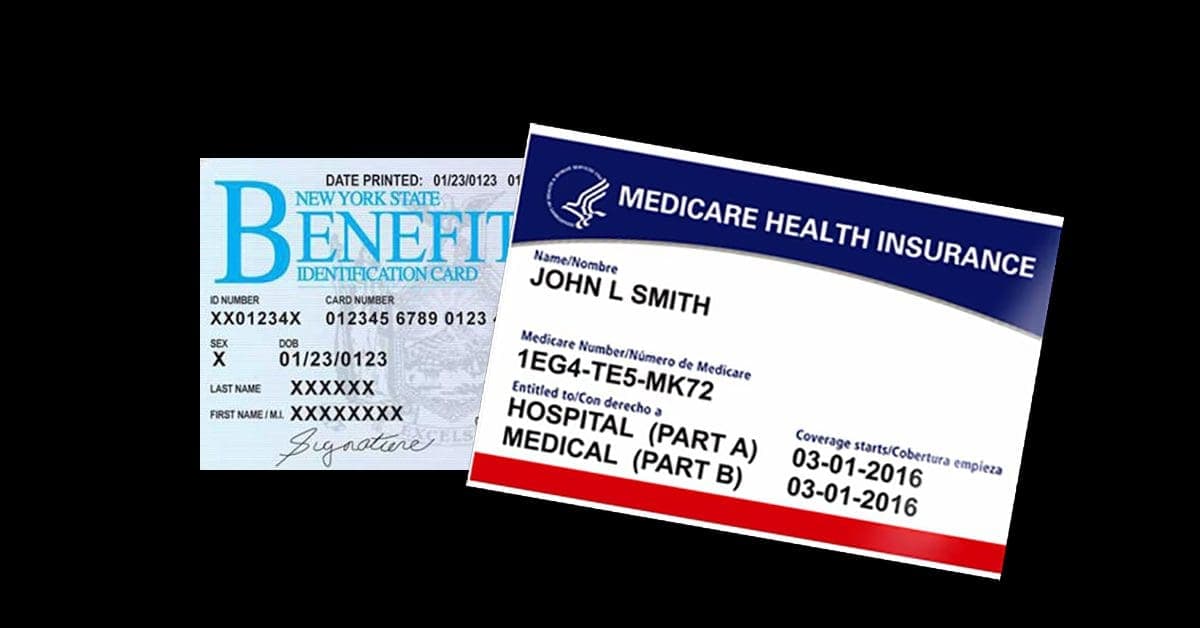
Who Qualifies for Medicare and Medicaid in New York? A 2026 Guide for Brooklyn Residents
Understanding Medicare and Medicaid—and determining whether you may qualify for one or both—can feel overwhelming. This guide explains the basic eligibility requirements and 2026 income limits for Brooklyn and other New York residents.
Who Qualifies for Medicare?
Medicare is a federal health insurance program primarily available to people age 65 and older who meet applicable citizenship or residency requirements.
Certain people younger than 65 may also qualify because they:
- Receive qualifying Social Security disability benefits
- Have End-Stage Renal Disease
- Have ALS, also known as Lou Gehrig’s disease
Some people are enrolled automatically, while others must apply through the Social Security Administration. The process may depend on whether you already receive Social Security retirement or disability benefits.
Who Qualifies for New York Medicaid?
Medicaid provides health coverage to eligible New Yorkers based on factors that may include:
- Household income and size
- Age
- Pregnancy
- Disability or blindness
- Medicare enrollment
- New York residency
- Immigration status
- Medical and long-term-care needs
- Financial resources for certain eligibility categories
New York uses different income limits for different groups. Therefore, there is no single Medicaid income limit that applies to every applicant.
2026 Medicaid Income Limits for Adults Ages 21–64
Most New York adults ages 21 through 64 may qualify for Medicaid with household income at or below 138% of the Federal Poverty Level.
Household size| Monthly income limit| Annual income limit
1| $1,836| $22,025
2| $2,489| $29,863
3| $3,142| $37,702
4| $3,795| $45,540
These figures are based on New York’s 2026 Medicaid income standards for this eligibility group.
2026 Medicaid Income Limits for Children Ages 1–18
Children ages 1 through 18 may qualify for Medicaid with household income at or below 154% of the Federal Poverty Level.
Household size| Approximate monthly limit| Annual income limit
1| $2,048| $24,578
2| $2,777| $33,326
3| $3,506| $42,073
4| $4,235| $50,820
Children whose household income exceeds the Medicaid limit may still qualify for coverage through New York’s Child Health Plus program.
2026 Medicaid Income Limits for Pregnant Individuals and Infants
Pregnant individuals and infants younger than one may qualify with household income at or below 223% of the Federal Poverty Level.
Household size| Approximate monthly limit| Annual income limit
1| $2,966| $35,591
2| $4,021| $48,257
3| $5,077| $60,924
4| $6,133| $73,590
Pregnancy may affect how household size is calculated. Applicants should receive an official eligibility determination instead of relying only on the figures in this table.
Medicaid for People Who Are 65 or Older, Blind, or Disabled
Different financial rules may apply to New Yorkers who are age 65 or older, blind, disabled, enrolled in Medicare, or applying for community-based long-term care.
The general 2026 Medicaid income and resource levels for these applicants are:
Household| Monthly income level| Resource limit
Individual| $1,836| $33,038
Couple| $2,489| $44,796
An applicant with income above these levels is not necessarily ineligible. Depending on the person’s circumstances, eligibility may still be available through:
- A Medicaid spenddown
- Allowable medical deductions
- A pooled income trust
- Spousal impoverishment protections
- A Medicaid Buy-In program
- Another specialized eligibility pathway
Nursing-home Medicaid and certain long-term-care programs have separate income, resource, transfer, and spousal rules. Applicants seeking long-term-care coverage should obtain individualized assistance.
Can You Have Medicare and Medicaid at the Same Time?
Yes. People who qualify for both programs are commonly described as “dual eligible.”
For Medicare-covered services, Medicare generally pays first. Medicaid may then help with remaining eligible costs and services.
Depending on the person’s level of Medicaid eligibility, Medicaid may help pay for:
- Medicare Part B premiums
- Medicare deductibles
- Coinsurance and copayments
- Certain prescription-drug expenses
- Personal care and other services that Medicare does not ordinarily cover
People with Medicare and full Medicaid coverage also automatically qualify for Extra Help with Medicare prescription-drug costs.
What Is a Medicare Savings Program?
Some New Yorkers who do not qualify for full Medicaid may still qualify for a Medicare Savings Program.
These Medicaid-administered programs can help eligible individuals pay certain Medicare expenses, including the monthly Medicare Part B premium. The level of assistance depends on the program and the applicant’s financial circumstances.
Because Medicare Savings Program requirements are updated periodically, applicants should confirm the current limits with New York State before applying.
Does Owning a Home or Car Automatically Disqualify You?
Not necessarily. Depending on the Medicaid eligibility category, a home, vehicle, personal belongings, burial arrangements, and certain other property may be excluded when eligibility is determined.
The rules are especially detailed for nursing-home Medicaid and married applicants. Income and resources should be reviewed under the rules for the particular Medicaid program being requested.
How Can Brooklyn Residents Apply?
Depending on your age and circumstances, you may be able to apply through:
- The New York State of Health Marketplace
- New York City’s Human Resources Administration
- Your local Medicaid office
- The Social Security Administration for Medicare enrollment
- Medicare.gov for Medicare information and plan comparisons
Applicants may need to provide documents showing:
- Identity
- New York residency
- Household composition
- Income
- Current health insurance
- Immigration status, when applicable
- Financial resources, when required
- Disability or medical information for certain programs
Providing complete and accurate documents can help prevent unnecessary delays.
When Will the Income Limits Change Again?
The figures in this guide apply to the 2026 eligibility year.
Federal poverty guidelines are generally updated annually. New York then publishes revised Medicaid income and resource standards. The next expected update will cover 2027, but the exact 2027 amounts and publication date are not yet available.
Comprehensive Healthcare Is Coming to East Flatbush
Marton Care Health Center is preparing to bring coordinated, multi-specialty healthcare to East Flatbush, Brooklyn.
Our new health center will offer a broad range of services under one roof, including:
- Multi-specialty medical care
- Behavioral health services
- Mental health services
- Physical therapy in a state-of-the-art rehabilitation gym
- Coordinated services focused on the patient’s overall health and well-being
Marton Care Health Center has obtained its required local, city, and state approvals, along with Medicaid and Medicare approval, and is currently completing the contracting process with health plans.
We welcome health plans interested in contracting with our new initiative and helping us deliver top-notch, compassionate care to East Flatbush and the surrounding Brooklyn communities.
For additional information, employment opportunities, and future insurance-plan announcements, visit(https://martoncarehealthcenter.com) or email healthcenter@martoncare.com.
This article is provided for general educational purposes only. It does not determine eligibility for Medicare, Medicaid, or any health plan and should not be treated as legal, financial, or benefits advice. Income standards, resource limits, covered services, and program requirements may change. Final eligibility and coverage decisions are made by the appropriate government agency or insurance plan. Information is current as of September 2026.