CDC Confirms Third Measles Death as U.S. Cases Reach 4,410
Federal health officials have confirmed a third measles-related death in the United States this year, as the country confronts thousands of infections from a disease that can spread rapidly and cause serious complications.
The CDC’s latest national update recorded 4,410 confirmed cases through October 15, 2026. That case total and the death confirmation reported on October 20 reflect different reporting dates. The figures remain preliminary and may change as investigations continue.
For New Yorkers, the concern is close to home. Reuters reported that New York had recorded 162 cases through October 17, following a statewide emergency declaration earlier this month. The figure covers the state, rather than Brooklyn or New York City alone.
Death totals also need context. Pennsylvania reported five measles-associated deaths through October 19, while the CDC’s national count was three. Reuters explains that the CDC now relies on verified National Center for Health Statistics mortality data. The figures reflect different reporting processes and should not be added together.
Measles spreads through the air when an infected person coughs or sneezes. The virus can remain infectious in an airspace for up to two hours after that person leaves. Someone with measles can spread it from four days before the rash appears through four days afterward.
That means waiting until a rash becomes obvious can miss part of the contagious period. People may encounter the virus in a shared indoor space without realizing that someone nearby is infected.
The illness commonly starts with fever, cough, a runny nose, and red or watery eyes. A rash typically follows several days later, beginning on the face or near the hairline and spreading down the body.
Measles can cause pneumonia, brain inflammation, hospitalization, and death. Young children, pregnant people, and people with weakened immune systems face a higher risk of complications. It can also cause serious illness in adults.
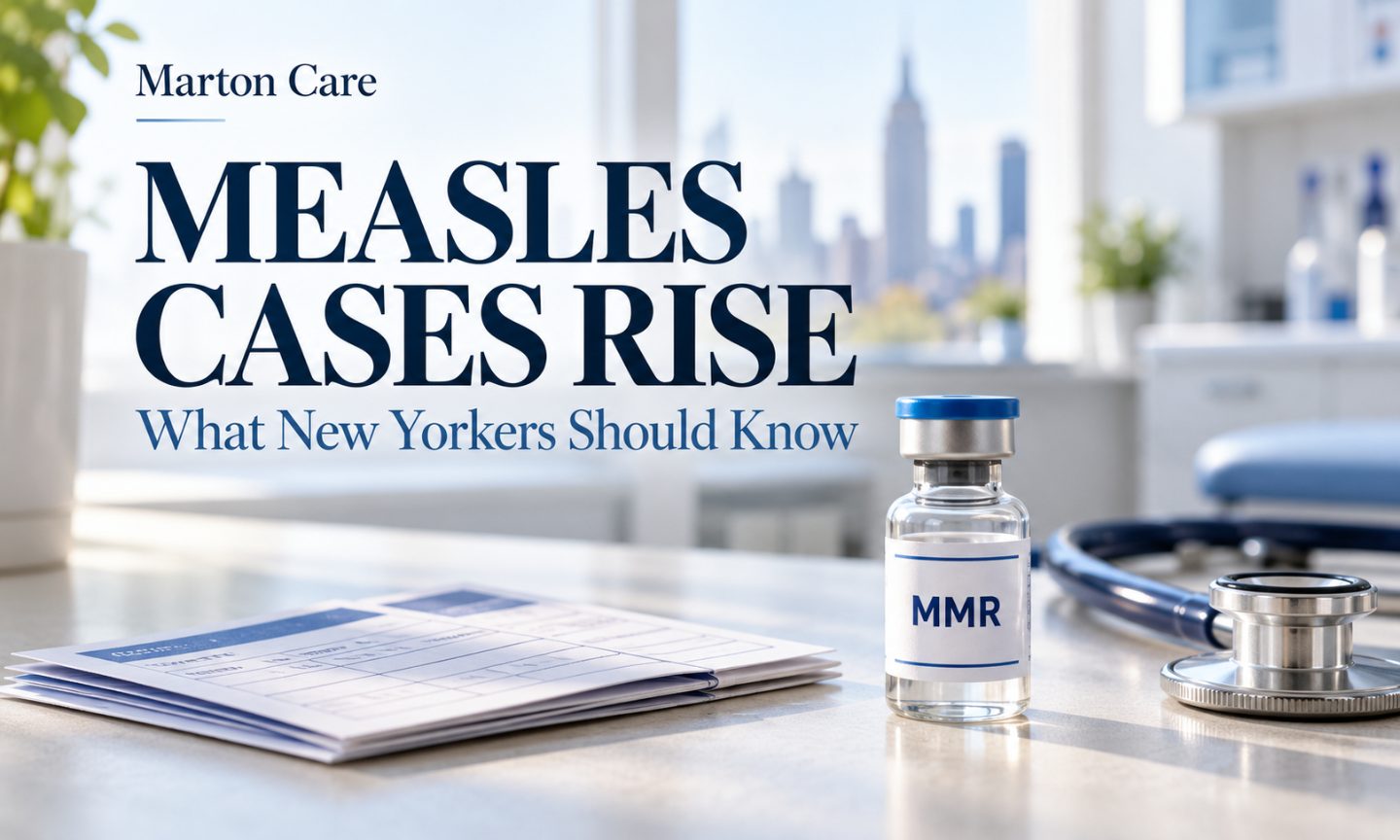
Vaccination records are worth reviewing before an exposure occurs. The MMR vaccine protects against measles, mumps, and rubella. The CDC estimates effectiveness against measles at 93% after one dose and 97% after two.
Routine childhood doses are given at 12–15 months and 4–6 years. Outbreaks or travel can change timing. Adults unsure of their immunity should review their records with a clinician; some higher-risk adults need two doses.
MMR is a live vaccine and is not appropriate during pregnancy or for certain people with severe immune suppression. A healthcare professional can determine the appropriate approach.
After a suspected exposure, contact a healthcare provider immediately—even if symptoms have not started. For eligible people without immunity, MMR given within 72 hours of the initial exposure may provide protection or reduce illness severity. Certain higher-risk patients may receive immune globulin within six days. A clinician or health department should determine the appropriate response.
If fever, cough, red eyes, or a rash develops after a possible exposure, call before arriving at a medical office or emergency department. Advance notice allows staff to arrange an evaluation while limiting exposure to other patients.
Trouble breathing, confusion, severe dehydration, or rapidly worsening illness requires immediate emergency care. Have someone alert the hospital before arrival when possible.
Healthcare providers also need a clear response process. Clinics should recognize possible cases promptly, separate affected patients from others, use appropriate airborne precautions, and contact the local health department. Suspected cases require reporting; providers should not wait for laboratory confirmation before notifying public health officials. Reviewing these procedures before a patient arrives can help prevent additional exposures.